Urban culture shapes society. How it can create access to education, influential networks and economic self-determination is central to the HipHop Ball Berlin. Its second edition at the Rotes Rathaus connects this ambition with a long-term vision: strengthening structures that will benefit generations to come.
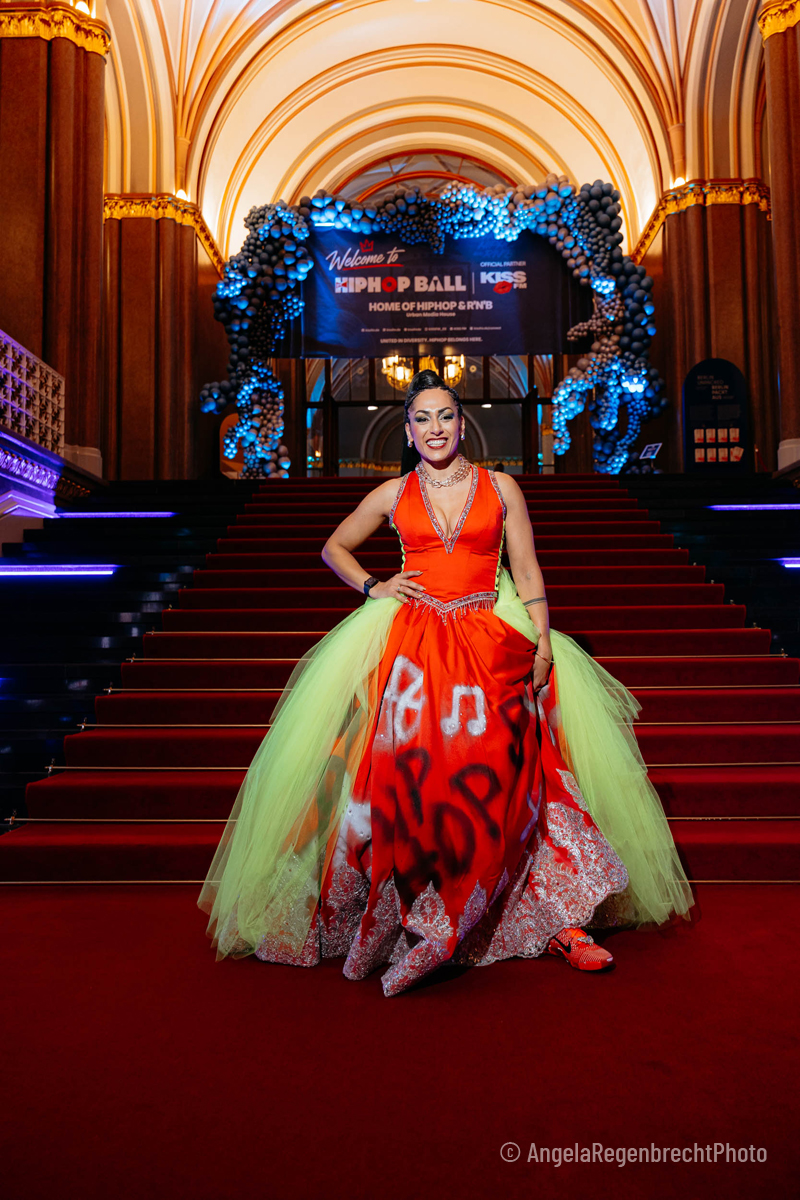
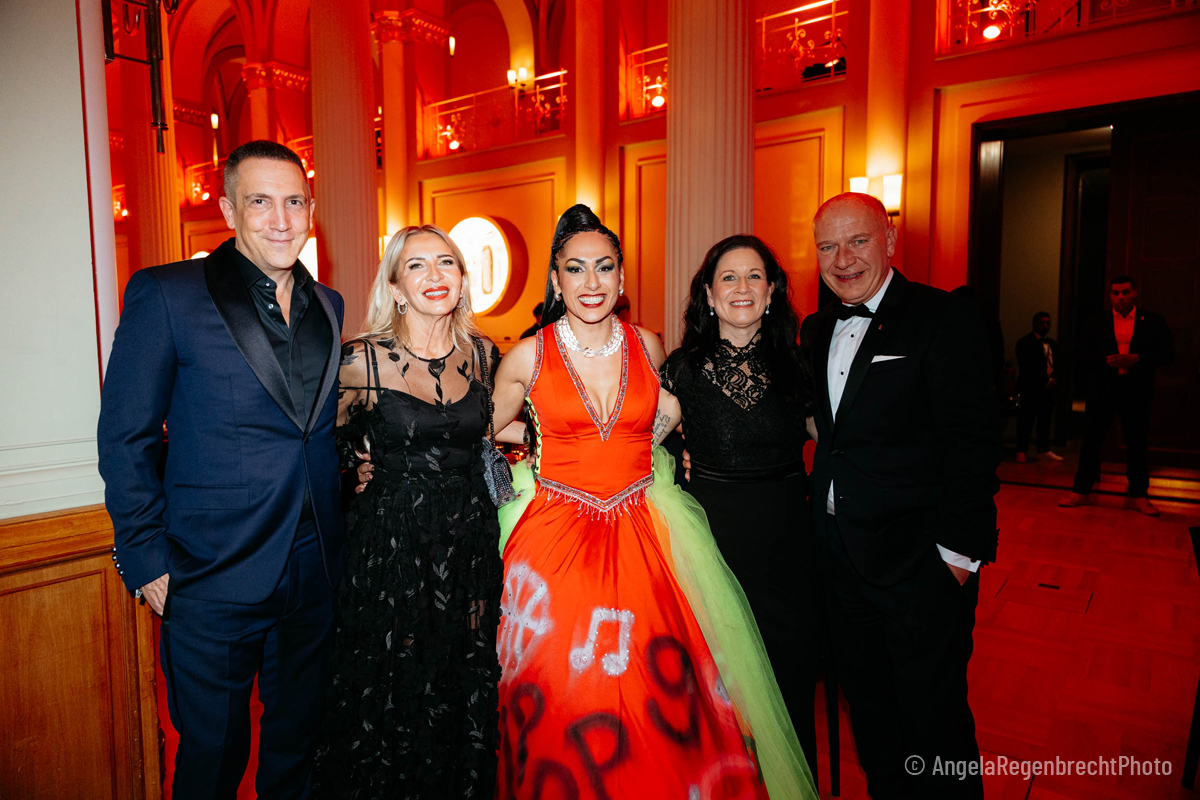
Berlin, 16 November 2026 – Sneakers with eveningwear, HipHop beneath chandeliers and an Urban Waltz in the grand ballroom: last Saturday, the Rotes Rathaus once again became a meeting place for HipHop culture. Following its successful debut in 2025, the HipHop Ball Berlin, presented by KISS FM, brought together around 1,000 guests from culture, politics, business and the community. Around 100 artists delivered a diverse programme of music, dance, graffiti and performance, demonstrating how classical ballroom traditions and urban culture can come together.
For Sajeh Tavassoli, the ball’s founder and organiser, human connection is at the heart of the event. “With the HipHop Ball, we want to create a place where people meet who might otherwise never have crossed paths. HipHop has long been an important part of our society and culture. Seeing it take its place so naturally in a building steeped in history, such as the Rotes Rathaus, makes this particularly meaningful. That is what we are working towards: bringing different people together and giving HipHop the visibility and recognition it deserves,” said Tavassoli.
Berlin’s Governing Mayor, Kai Wegner, emphasised the platform’s significance for the city and called on guests to support its long-term development: “After tonight, one thing is clear: this is Berlin’s HipHop Ball. We need to reach these young people and their networks. That is where we should be investing. It matters that we have these networks in our city. Berlin is a city of freedom, diversity and tolerance. The HipHop Ball brings that to life time and again. So my heartfelt appeal to you is this: support this HipHop Ball.”
From the Urban Waltz to HipHopera: Highlights of the Evening
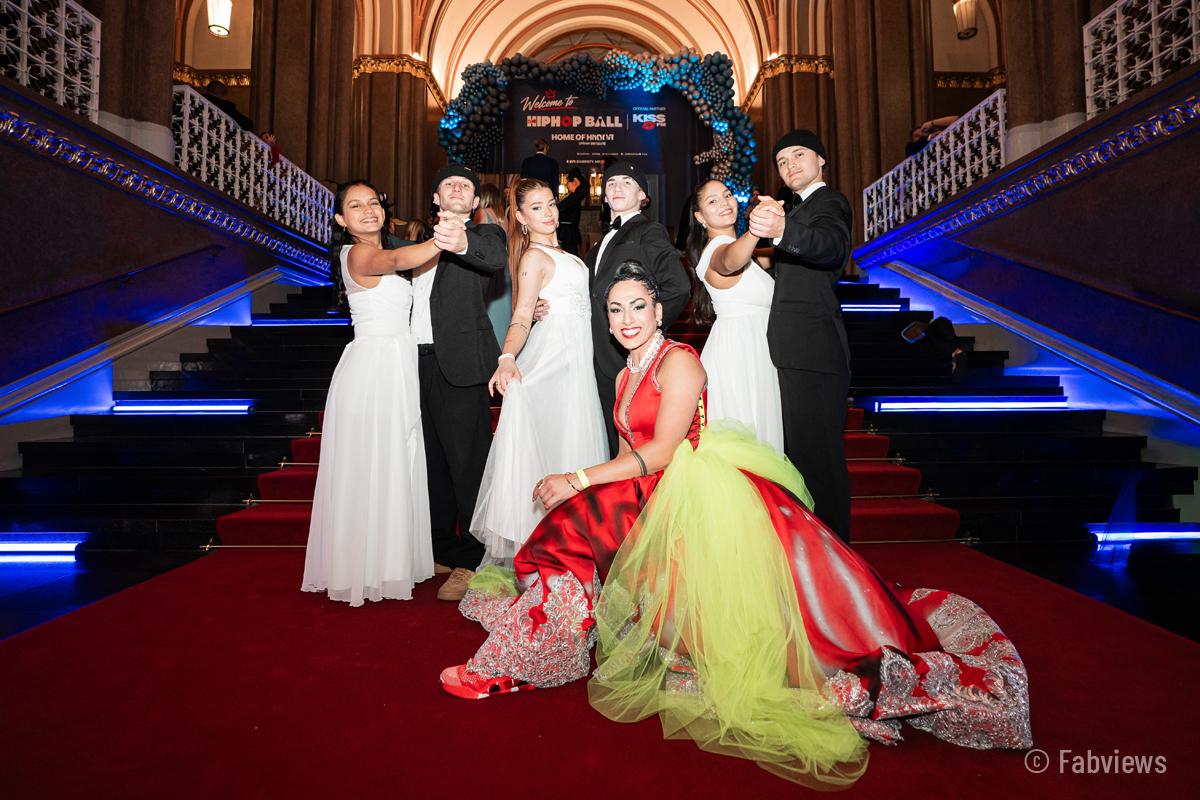
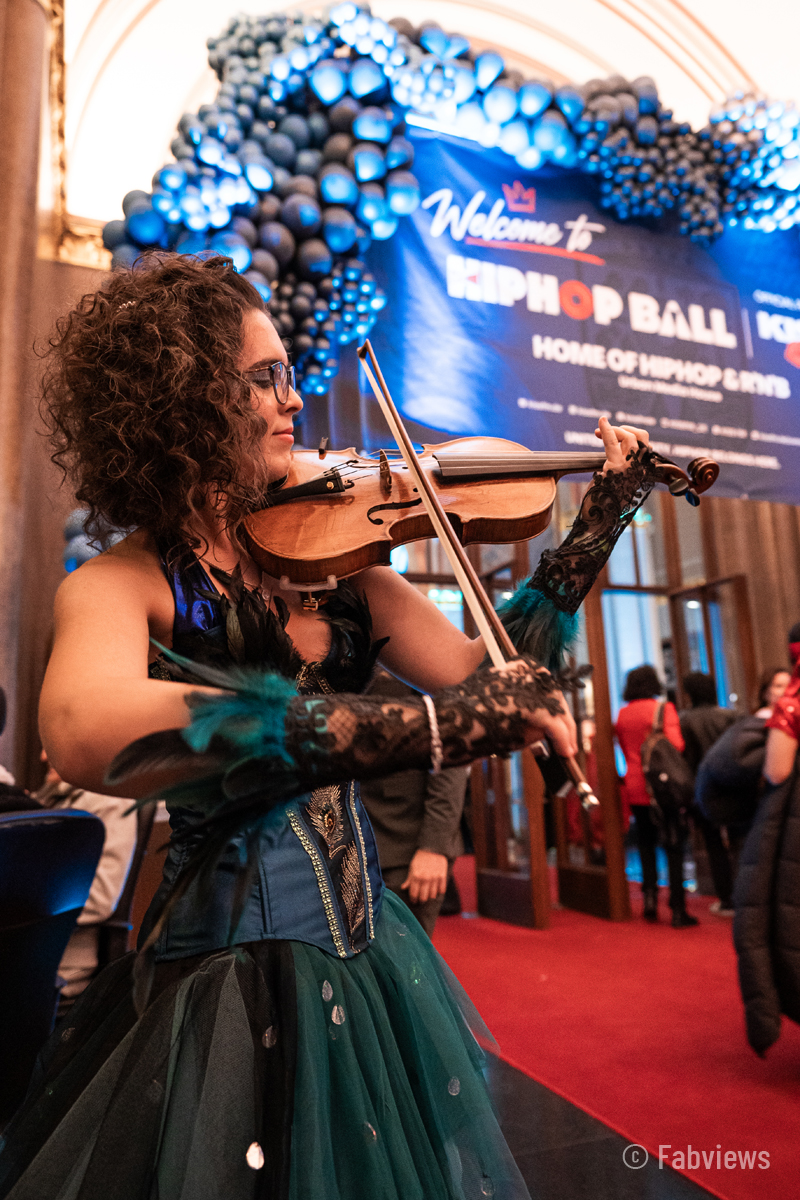
The evening opened with a ceremony by Flying Steps Diploma, whose Urban Waltz brought classical ballroom culture and HipHop together. Accompanied by violinist Kitti Karina Farkas, the performance united classical music with urban dance styles.
The collaboration begins long before the ball itself. Artists from different disciplines come together to develop joint productions, exchange ideas and learn from one another. The HipHop Ball sees itself as a platform that makes these connections possible and helps them develop beyond a single performance.
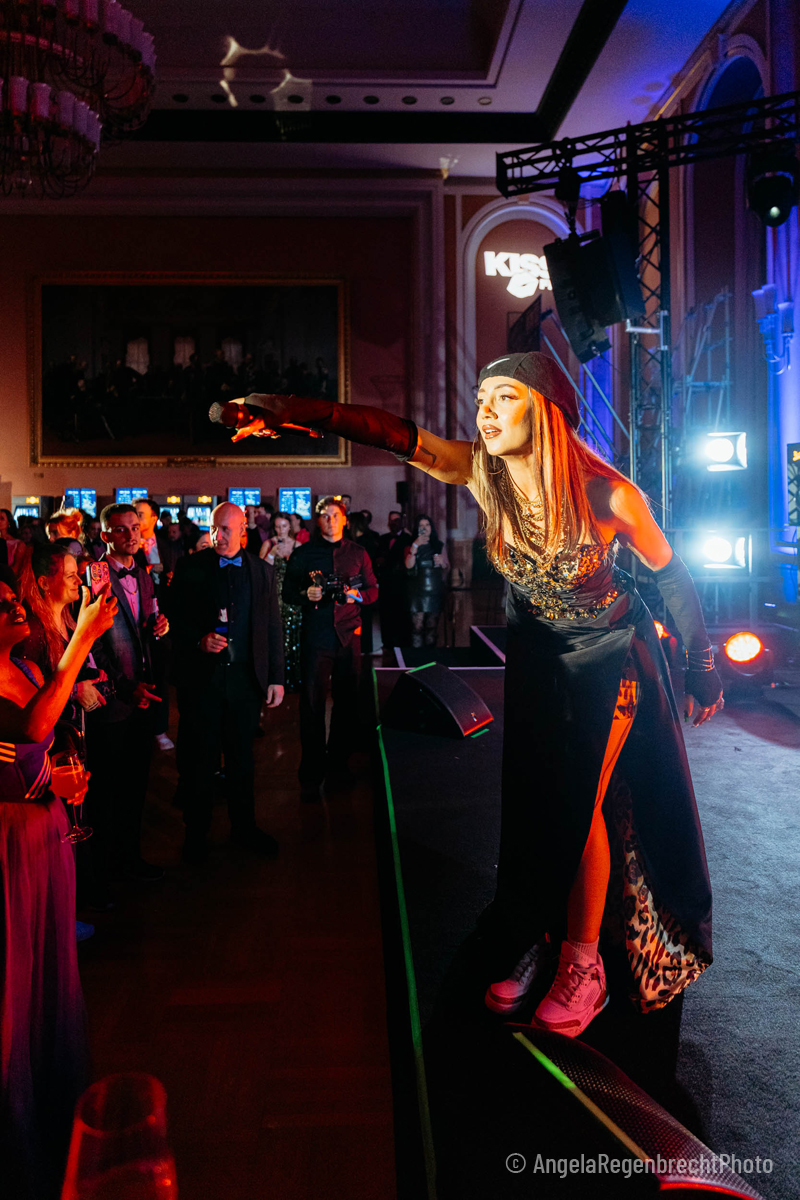
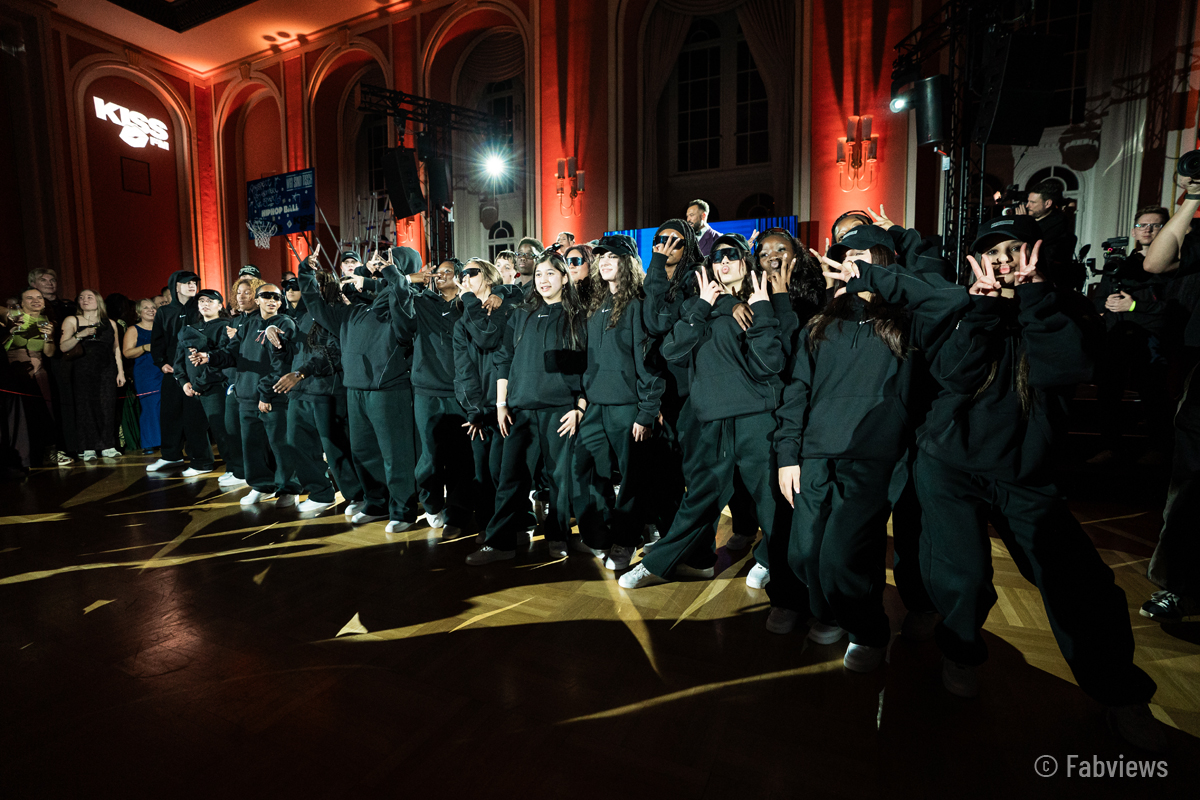
Another highlight was the appearance of HipHopClass. Young people from Hamburg and Paris, supported through the project at schools in socially disadvantaged neighbourhoods, travelled to Berlin especially for the ball. Their participation also drew attention to the ongoing educational work behind the performance. Project initiator Michael Kröger brings HipHop into schools, giving young people opportunities to develop their abilities and express themselves through art. The performance at the Rotes Rathaus provided a public stage for both this work and the young artists themselves. They were followed by emerging Vienna rapper Lionella, known as “LIO.N3LLA”.
The grand ballroom also hosted a varied musical programme. Alongside a performance by singer Kati Gazela, Atlanta-based artist Babatunde Akinboboye delivered a memorable midnight performance of his “HipHopera”, bringing opera vocals and HipHop together. Big Moe and Josi Trapp hosted the programme, with the traditional closing dance rounding off the evening.
Beyond the grand ballroom, urban culture filled the Rotes Rathaus. An urban art exhibition showcased works by artist Olivier Kéros. On the World of HipHop Floor, Nika, Drob Dynamic, MzudemK & TingelTangelPaul, YETUNDEY, NAGOMI and Li.moon & Masurka presented their music and performances. Odizz, Lil Dirty, LIL MA, HANY, DianaMaracuja, Lito Bolton and King Halim delivered special remixes and DJ sets. Karo, Mille and Gianluca Meli from KISS FM hosted the programme.
Four Women Honoured for Their Contributions to HipHop Culture
The Chain of Glory awards once again formed a key part of the evening. The HipHop Ball honoured four women whose longstanding commitment has helped shape HipHop culture. The awards recognise the often unseen work that sustains urban culture: education, nurturing emerging talent, building networks and establishing independent organisations. Raising the visibility of women and recognising their contributions are central to the platform’s long-term ambitions.
This year’s honourees were Alma Wellner Bou, whose work with SISTER*QUEENS empowers girls and young women through rap; dancer Fidan Sirin, who promotes cultural exchange through her association HaBer project e.V.; music industry expert Lina Burghausen, also known as Mona Lina, the founder of “365 Female MCs”; and dancer and choreographer Nelody Ahlroth. The awards were curated by Alicia Paeske, Managing Director of sPeranto.
An Evening Bringing Different Worlds Together
Alongside the artistic programme, the HipHop Ball offered numerous opportunities for conversation and exchange. Artists and emerging talent met representatives from politics, business and culture.
Urban culture is also an economic force. Artistic productions connect creative work with event technology, hospitality, design and communications. The HipHop Ball aims to make this value creation visible and help cultural practitioners share more fully in its economic benefits. To do so, the platform connects artistic practice with business resources, educational initiatives and access to institutions. Its goals are reliable partnerships, fair pay and sustainable livelihoods, strengthening business, civil society and communities through collaboration.
Berlin’s Governing Mayor, Kai Wegner, once again served as the event’s patron. Supporters included Allianz Kundler, rentitNOW, Mandaro, Treehouse, Lord of Events and HYGH. Charity partners LifeTeachUs, Stiftung Bildung and sPeranto contributed their respective expertise in education, access to culture and social participation.
For Sajeh Tavassoli, the second Berlin edition marks another step towards establishing the HipHop Ball as a lasting part of the capital’s cultural life.
“Through the HipHop Ball, I want to open doors to the places and networks where decisions are made and resources are allocated. People from marginalised communities, in particular, should have a voice in shaping those decisions and share in the economic value they create through culture. Classical music, with its conservatoires, ensembles and concert halls, shows how reliable structures can sustain an art form across generations. Alongside capital, urban culture needs education, professional development and a lasting place within institutions to strengthen its independence and enable long-term economic self-determination,” said Tavassoli.
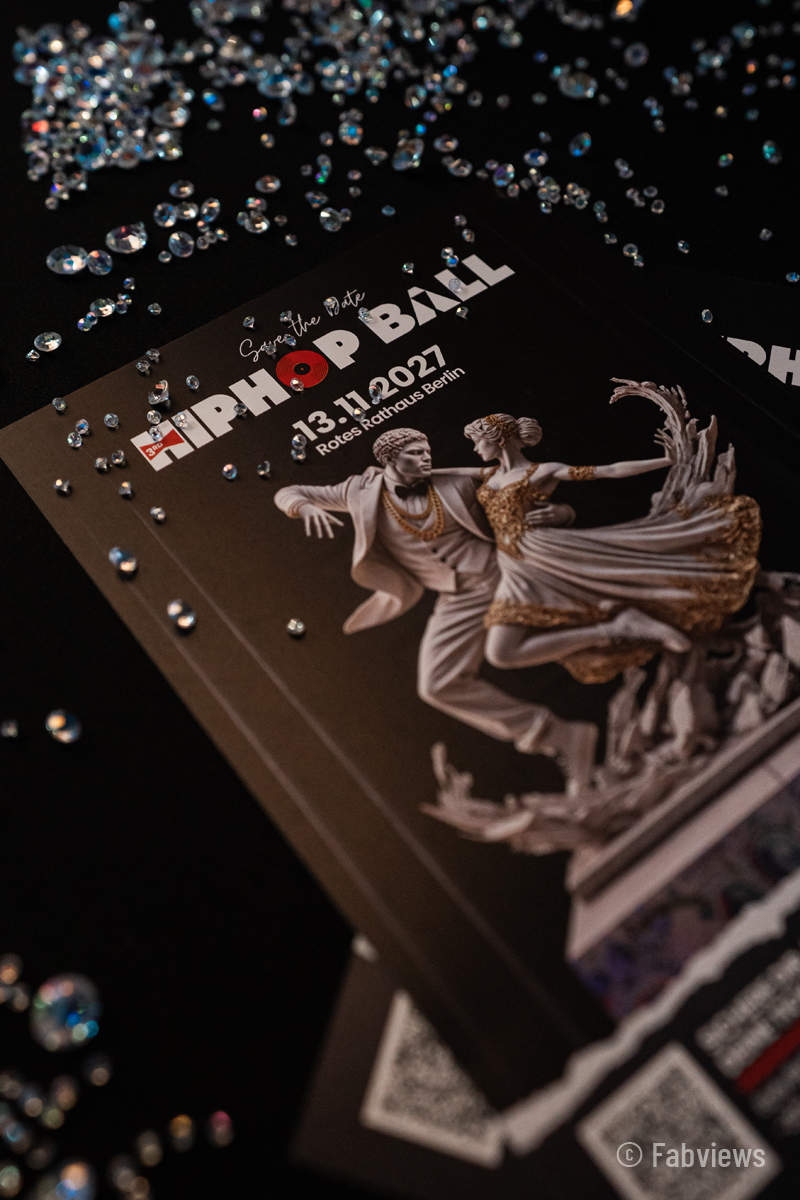
This exchange will continue on 20 March 2027 at the seventh Vienna HipHop Ball at Palais Niederösterreich. The third Berlin edition will follow on 13 November 2027 at the Rotes Rathaus. In the longer term, founder Sajeh Tavassoli aims to develop the platform across further cities, working with local communities, international brands and cultural practitioners.
About the HipHop Ball
Founded in Vienna in 2016 and now firmly established in the city’s cultural calendar, the HipHop Ball successfully expanded to Berlin in 2025. It brings classical ballroom culture together with HipHop’s many forms of expression. Music, dance, graffiti, performance, fashion and urban culture meet the traditional elements of a formal ball.
The format creates space for artistic exchange and connection, bringing different scenes, generations and disciplines together as equals. As a platform connecting culture and the creative economy, the HipHop Ball brings together communities, education and institutions. It aims to widen access to cultural spaces, knowledge and economic opportunities while enabling long-term collaboration across cities. The platform advocates recognition of urban culture as an artistic, social and economic force, ensuring that the people who sustain it share in the value it creates.
Further information: www.hiphopball-official.com
Press Images
Press photographs from the HipHop Ball Berlin 2026 are available here.
Press Contact
Kathrin Feit
c/o BETTERTRUST
Email: ka.feit@bettertrust.de
Phone: +49 157 7744 2619