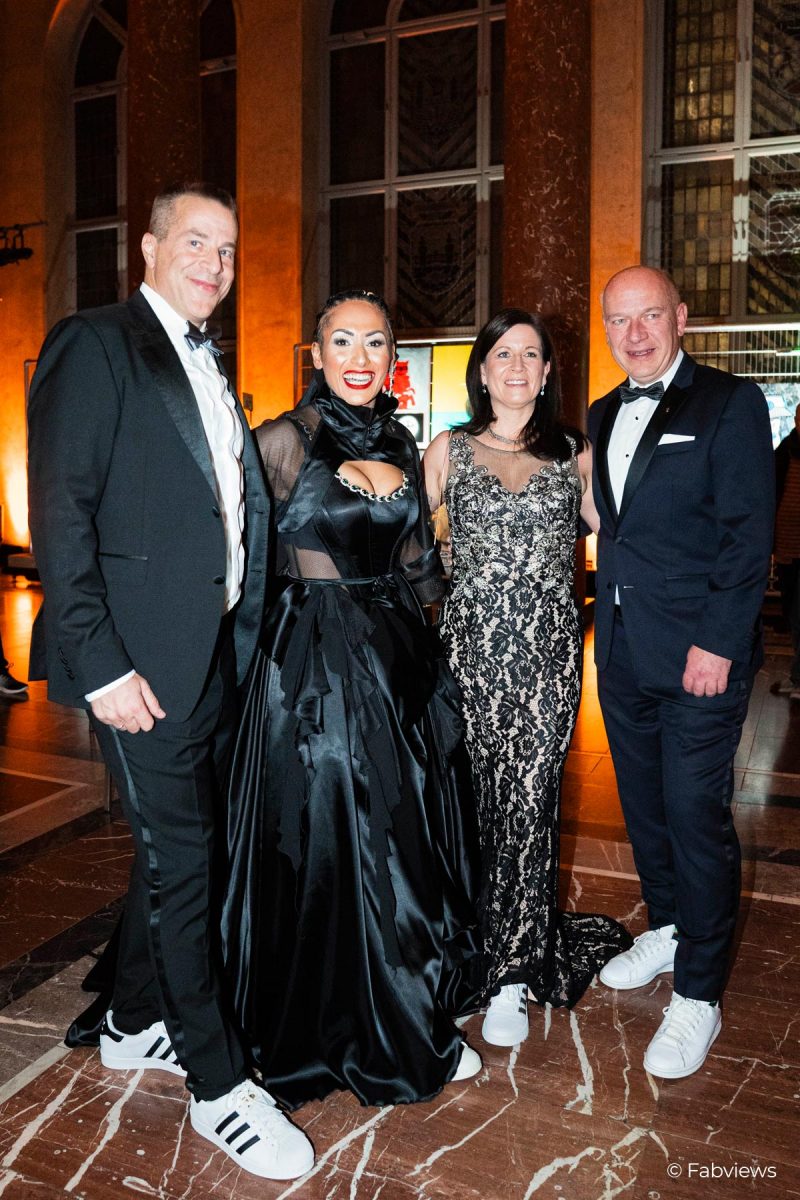
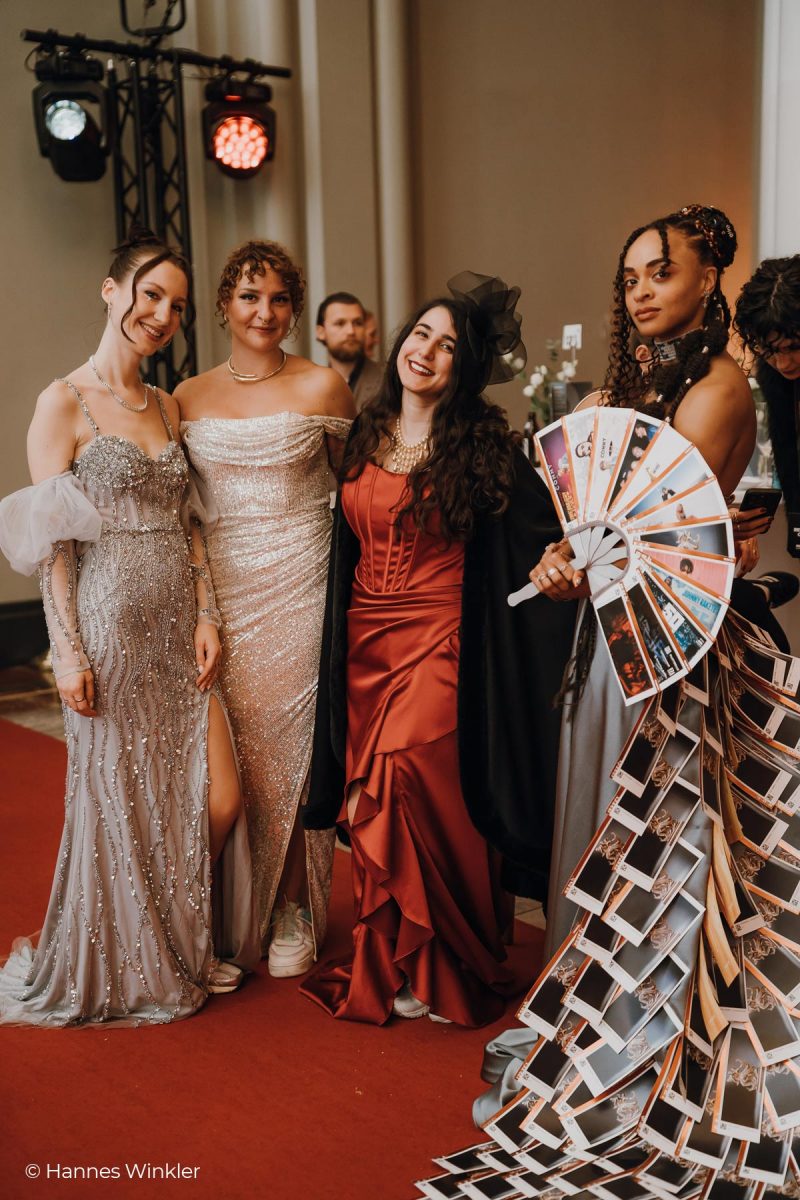
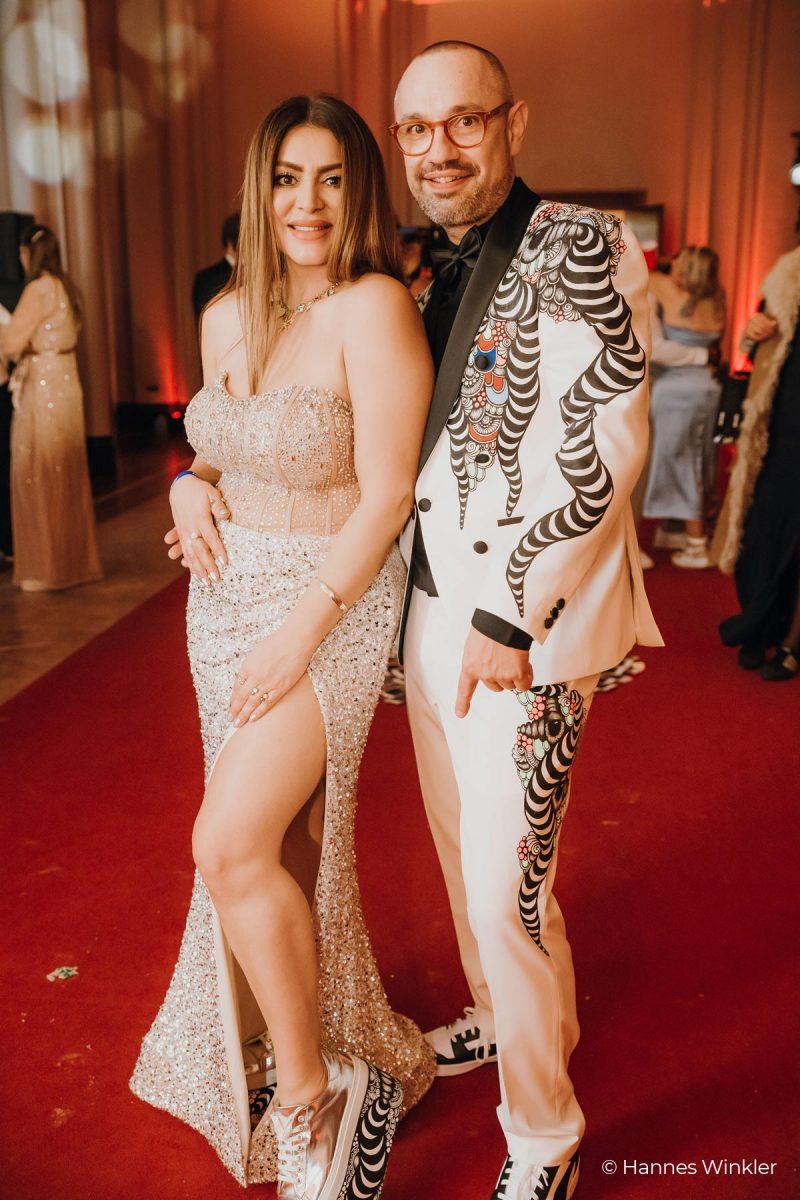
In the vaulted halls of Berlin’s historic Red City Hall (Rotes Rathaus) – a setting more accustomed to state receptions and classical concerts – hundreds of guests swayed in evening gowns and tuxedos paired with sneakers. It was an unprecedented sight: the first-ever HipHop Ball, presented by Uber in Germany, a bold fusion of high society and street culture hosted under the patronage of Berlin’s governing mayor, Kai Wegner. “Sneakers were mandatory,” quipped organizers, underscoring a dress code that required floor-length gowns and black-tie suits with athletic shoes – a symbolic pairing of tradition and urban flair. The sold-out event on November 15, 2025 drew roughly 600 guests into City Hall’s ornate chambers, where the glitz of a Viennese-style ball met the beats of hip-hop in a night Berlin’s seat of power had never seen before.
Mayor Wegner himself presided in delight. Before formally opening the ball in the Grand Ballroom, the mayor toured a graffiti art exhibition in City Hall’s corridors – a startling tableau for a building adorned with portraits of Prussian monarchs and former mayors. “So cool war’s hier noch nie,” an astonished attendee remarked – “It’s never been this cool here before.” Even the mayor, who later revealed he grew up on 90s rap, seemed eager to bridge worlds. He his tuxedo and sneaker, Wegner welcomed the crowd by praising hi-hop as “an integral part of Berlin’s cultural identity” and calling the evening a celebration of the city’s diversity. In that moment, Berlin’s urban identity and political establishment converged on the dance floor, signaling a larger cultural shift.
Bridging Ball Traditions and Urban Culture
The HipHop Ball’s unlikely home in Berlin’s government headquarters speaks to its mission of cultural fusion. The concept was originally born in Vienna – Europe’s capital of ballroom tradition – where visionary Sajeh Tavassoli, an Austrian of Iranian heritage, launched the first HipHop Ball in 2016. “When you grow up in Vienna, you can’t avoid the ball tradition,” Tavassoli observed, “I never really identified with it. Hip-hop, on the other hand, got me through many hard times. In 2015 she dreamed up an event that would merge the elegance of a classic Viennese ball with the raw creative energy of hiphop. Over the past decade, her Vienna ball grew to attract around 1,500 guests annually.
Now, Tavassoli has brought her concept north to her “new home” of Berlin. “Berlin’s iconic Red City Hall will set the stage for an unforgettable evening, blending the elegance of traditional ball culture with the vibrant artistry of hiphop,” Tavassoli’s team promised ahead of the event. The idea won immediate support from City Hall: Kai Wegner agreed to serve as official patron, lending the occasion a stamp of political approval. In Berlin – a city that revels in subculture and innovation – the HipHop Ball found fertile ground. “It’s a night of inspiration, connection, and new perspectives,” organizers explained, bringing together “people who might never have crossed paths” and reimagining art and community in the heart of the capital. By opening the halls of power to rap DJs and breakdancers, Berlin’s establishment sent a clear message: youth-driven urban culture now shares the spotlight with venerable tradition.
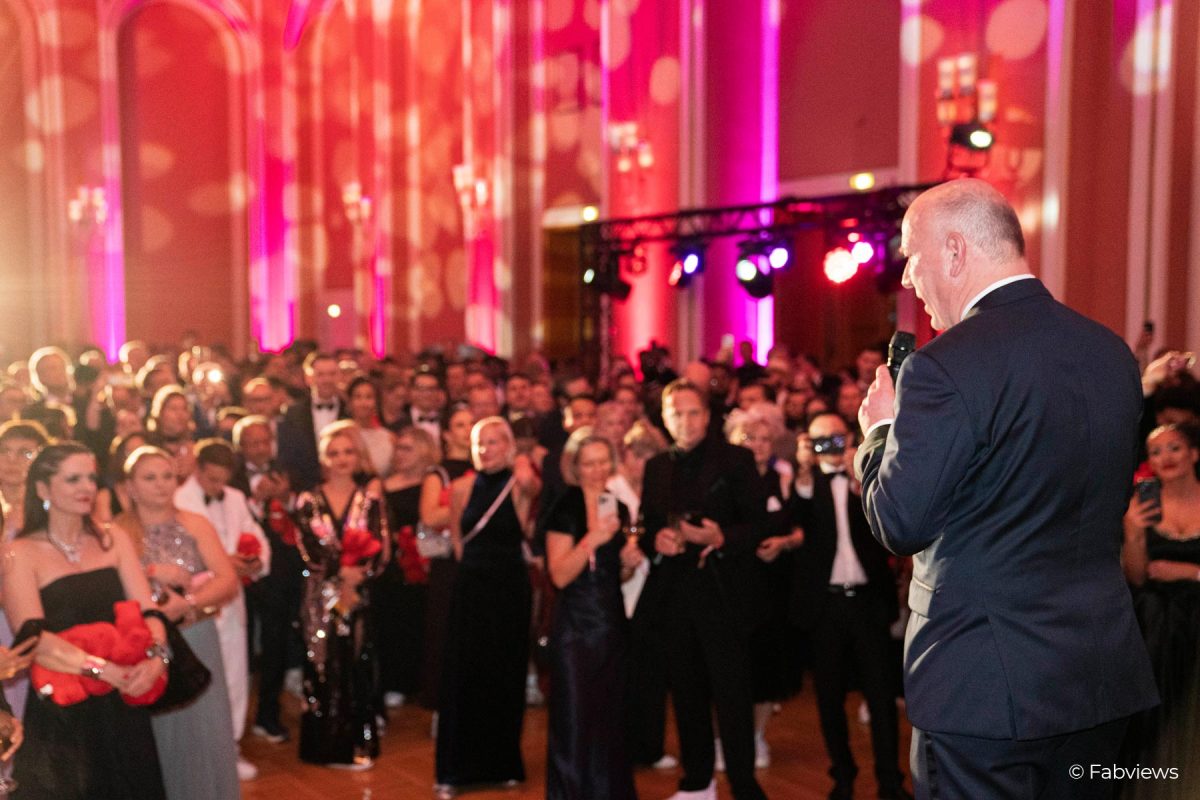
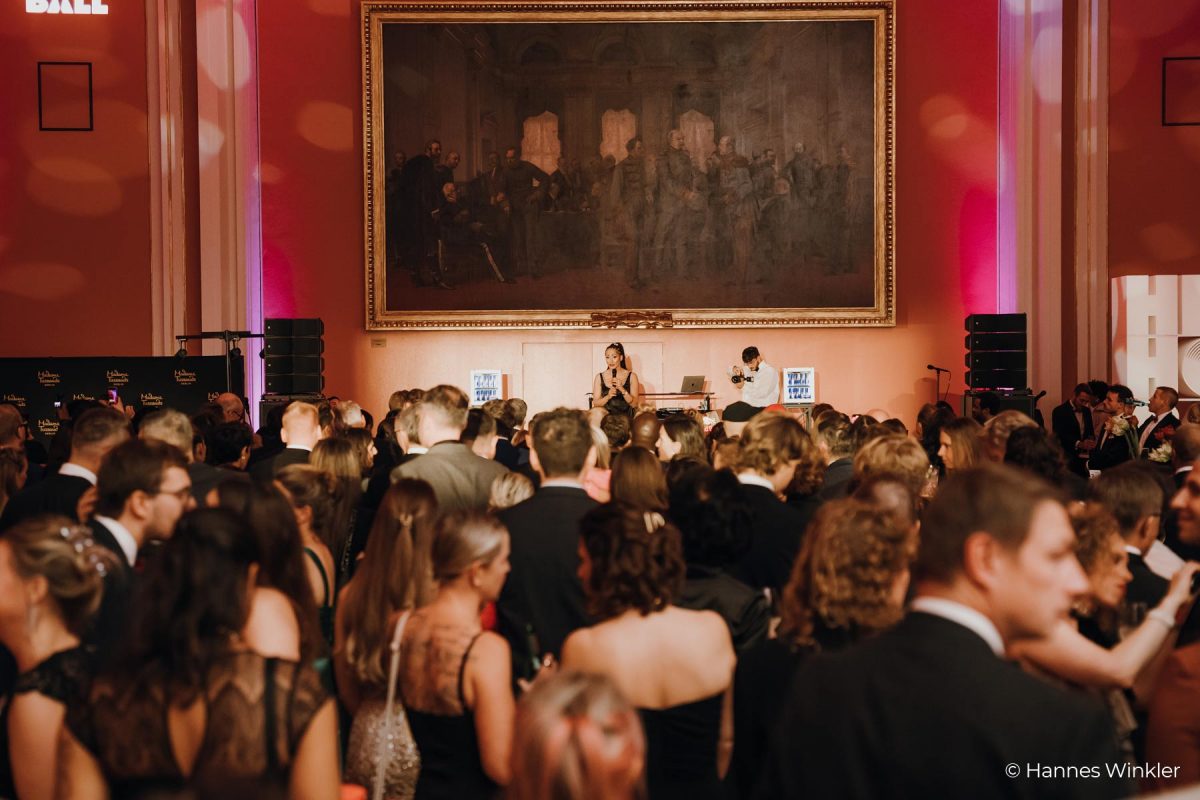
The premiere of the HipHop Ball at Berlin’s Red Town Hall, initiated by Sajeh Tavassoli and Quirin Graf Adelmann, was not a traditional gala event — it was a statement. Over 150 artists from the worlds of dance, music, visual arts, and sports created a program that was unmatched in its diversity:
Pre-Ball Dinner with Bonvivant – 100 guests were treated to a fine dining experience by one of Berlin’s most creative restaurants, opening the evening with a fusion of haute cuisine and urban dialogue.
Graffiti Vernissage & Guided Tour – Curated by Theresa Lambrecht, works by Berlin-based street artists transformed the Wappensaal into an urban art gallery. Kai Wegner himself took part in the tour — a symbolic gesture of cultural recognition.
Opening Ceremony with the Deutsche Sinfonietta & Flying Steps Academy – The “Urban Waltz,” composed by Gejza Jurth, merged orchestral soundscapes with the language of hip-hop. 21 young dancers from the Flying Steps Academy performed a newly choreographed interpretation that reimagined the classical Viennese waltz.
Chain of Glory – #FemaleEdition – Honoring standout women such as Nadia Espiritu, Julia Schoierer, and Frieda Frost for their contributions to hiphop culture — representing a movement where female leadership is increasingly visible.
Launch of the Official Mascot of the German Basketball Federation, in collaboration with FIBA and the Flying Steps — another bridge built between sport and culture.
Midnight Feature and DJ Mainstage – International performers, breakers, rappers, and vocalists from Germany, France, Austria, and the Arab world turned the marble halls of the Town Hall into a vibrant dance floor.
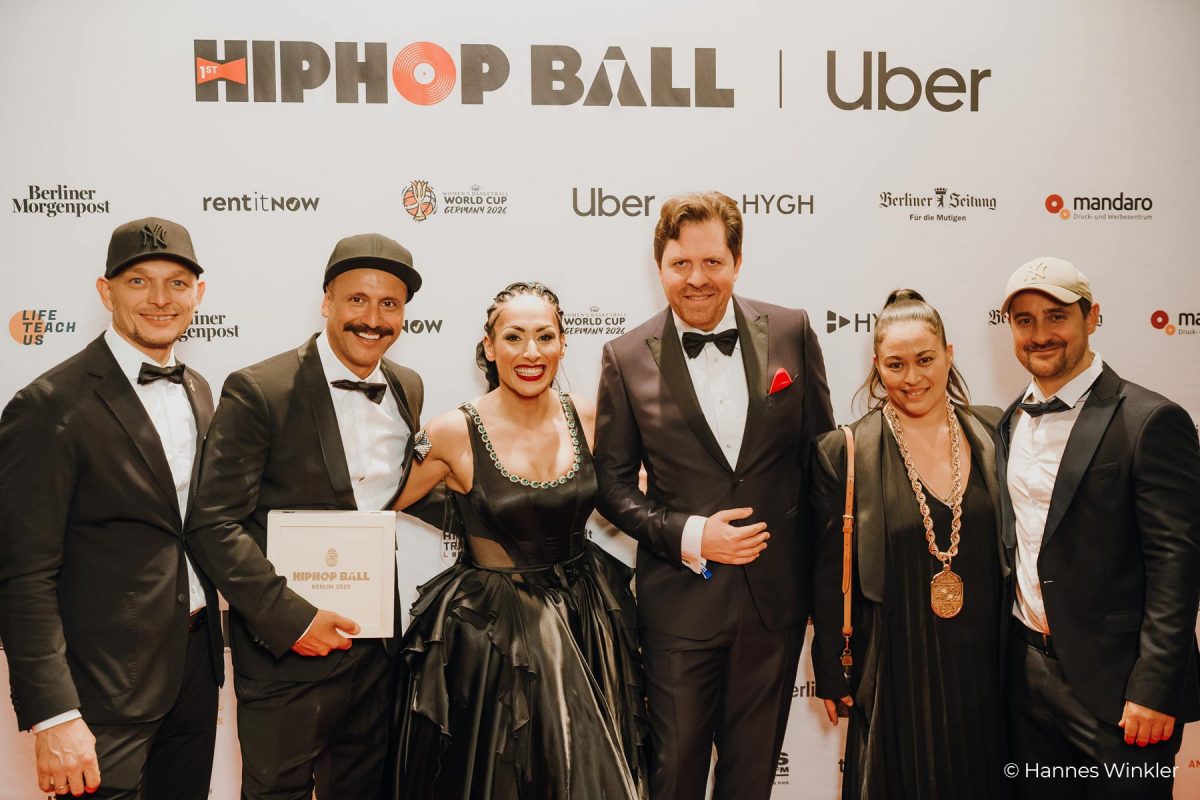
Waltz, Graffiti and Beats Under One Roof
That message unfolded vividly across the evening’s eclectic program. In place of the usual string quartets, more than 150 performers – rappers, DJs, breakdance crews, beatboxers, street artists and even classical musicians – took turns energizing the Rathaus’s ballrooms. Three different halls offered parallel attractions, transforming the 19th-century building into a carnival of hip-hop arts. In the Grand Ballroom (Festsaal) – normally reserved for state banquets – the night opened with a choreographed “Urban Waltz” performance that left guests rapt. Twenty-two dancers from the acclaimed Berlin breakdance troupe Flying Steps, the ball’s artistic partner, glided and spun in pairs to the familiar strains of Johann Strauss’s “Blue Danube”. The twist? Their elegant waltz was punctuated by explosive breakdance moves, and they were accompanied not by a DJ, but by a live chamber ensemble from the German Sinfonietta orchestra. The classical waltz melody, remixed with hip-hop beats, drew cheers – a literal dance of old and new that embodied the night’s spirit.
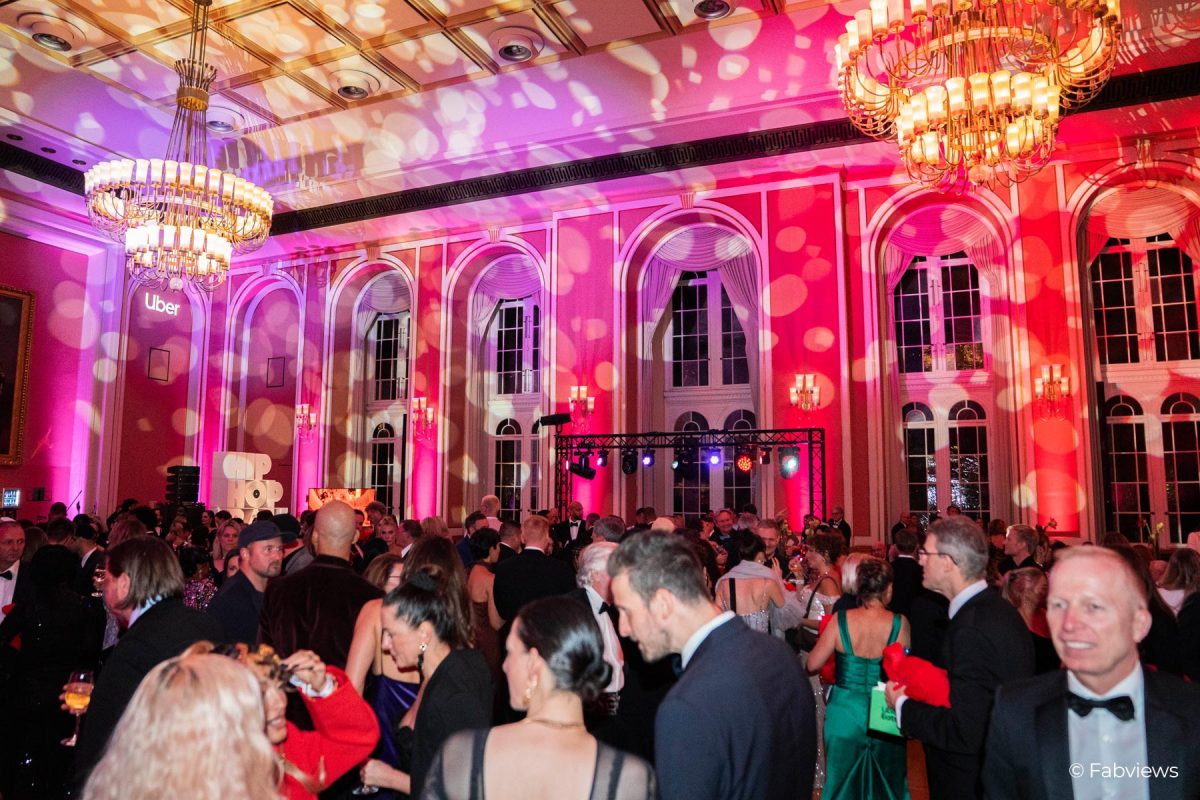
Adjacent salons offered further surprises. One hall hosted an exhibition of graffiti art tracing Berlin’s history. Guests wandering through the colonnaded Wappensaal (Coat of Arms Hall) found spray-painted murals and interactive installations – from depictions of the Berlin Wall’s famous graffiti to live demonstrations by street artists tagging canvases in real time. It was a stunning contrast to the oil paintings on the walls, and Mayor Wegner – who had joined the curator’s tour – could be seen nodding thoughtfully at a piece portraying hip-hop’s evolution since the 1980s. Meanwhile, in another chamber, beatboxers and MCs traded verses as turntable DJs spun everything from boom-bap classics to drill and trap. The lineup spanned generations and styles: veteran German rap pioneers performed alongside rising local talent, and even a few international guests took the mic. Throughout the night, two DJs and multiple rap acts rotated on stage, ensuring that every corner of City Hall pulsed with rhythm. By midnight, clusters of guests had kicked off their heels entirely – dancing in socked feet and sneakers on the marble floors to thumping basslines, beneath crystal chandeliers.
The grandeur of the setting only amplified the evening’s contrasts. Beneath the looming portraits of Berlin’s 19th-century mayors, a b-boy crew dropped into windmills and headspins. Gilded mirrors reflected a crowd where dreadlocks and ballgowns mingled, and where the city’s cultural elite rubbed shoulders with hip-hop aficionados in snapback caps. For Berlin’s hip-hop community, long accustomed to underground clubs and street cyphers, performing at the Rotes Rathaus carried a thrill of validation. “Hip-hop is home here tonight,” one young MC shouted to the crowd – and the cheers that followed had an almost defiant joy.
Honoring Women Pioneers and Empowering Youth
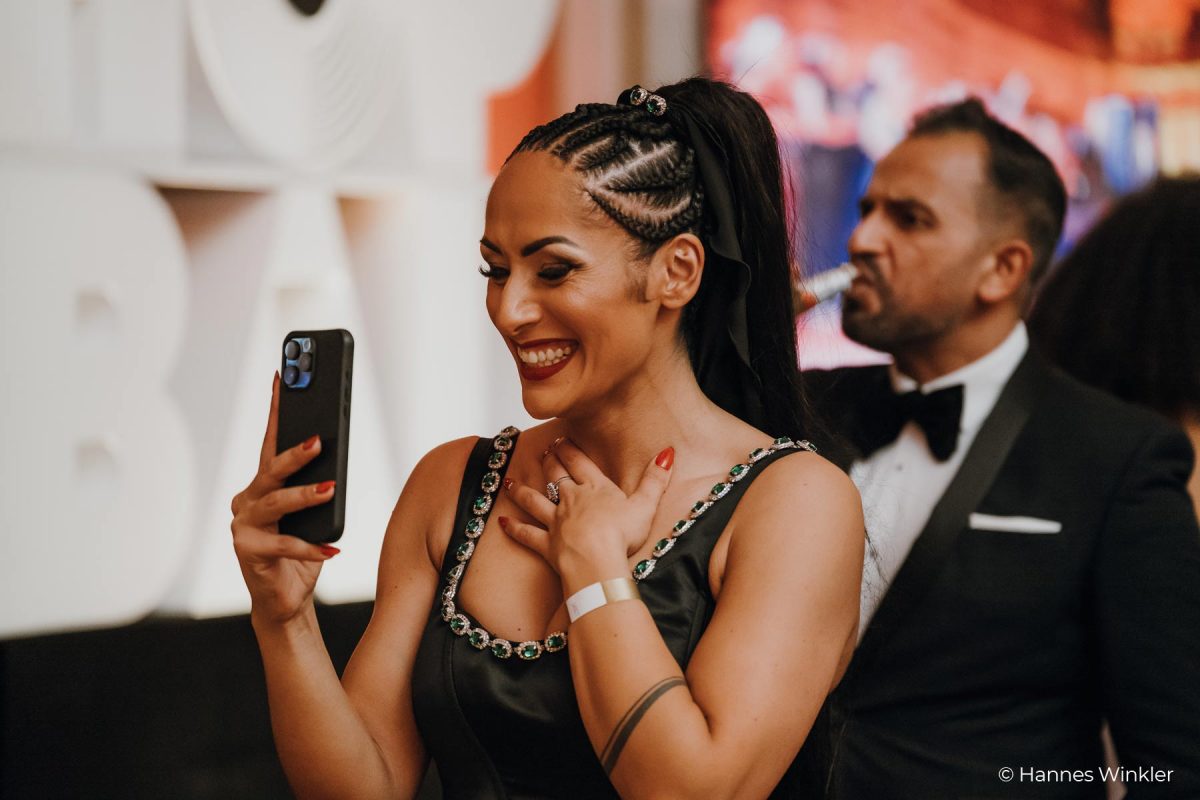
Amid the performances, the HipHop Ball also paused to recognize trailblazers and reinforce its social mission. A centerpiece of the evening was the awarding of the “Chain of Glory” – a special honor created to celebrate women who have left an indelible mark on Germany’s hiphop scene. This year’s edition of the award (dubbed the Female Edition) shone a spotlight on female pioneers across music, dance, graffiti and spoken word. As the ballroom hushed, several women were called to the stage. Each received a “Chain of Glory” medallion to a standing ovation. “This award makes visible the quiet contributions and creative voices of women in german hiphop,” one honoree said, thanking the organizers for carving out space in a traditionally male-dominated culture. The moment was a heartfelt acknowledgment that hiphop’s story in Germany has been written by women as well as men, even if they’ve often gone unheralded. By etching their names into the evening’s legacy, the HipHop Ball underlined a commitment to inclusivity and representation within the culture.
Equally important was the event’s educational and charitable dimension. In the run-up to the ball, Tavassoli’s team partnered with LifeTeachUs, a Berlin-based nonprofit that empowers disadvantaged youth through education. The HipHop Ball served as a platform to highlight the charity’s work – an intersection of hiphop and social impact that felt organic to the event’s ethos. A portion of the evening’s proceeds and an on-site donation drive were dedicated to LifeTeachUs. Representatives of the charity, clad in their own formal wear and branded sneakers, mingled with attendees to share stories of how creative outlets can change a child’s trajectory. The message was clear: beyond the glamour and fun, this night was also about giving back and lifting up the next generation.
A Statement of Berlin’s Cultural Identity
By the time the inaugural HipHop Ball drew to a close in the early hours of Sunday, it had etched itself into Berlin’s cultural memory. In many ways, the event was more than just a one-night party – it was a symbolic convergence of Berlin’s past and present, the establishment and the underground. The Red City Hall, an emblem of civic authority, had been transformed into what one observer called “the coolest club in the city”. For Berliners, who pride themselves on the city’s edgy creativity, seeing breakdancers twirl under frescoed ceilings was a potent reminder of how far the capital has evolved. Not long ago, graffiti was scrubbed off these walls; now it was exhibited inside with the mayor’s blessing. Hiphop – once viewed by German authorities only through the lenses of social workers or law enforcement – is today courted by sponsors and hosted by city officials.
Cultural commentators have been quick to note the political significance of this embrace. Wegner, a conservative by party affiliation, made a point of inviting all Berliners to the ball, framing it as a showcase of the city’s openness. His appearance alongside hiphop artists at the press wall made the rounds on social media, prompting many to welcome the gesture and a few to accuse him of electioneering. But beyond politics, the night affirmed that hiphop’s journey from the margins to the mainstream is essentially complete. What began in Bronx parks and Berlin squats decades ago had now entered the halls of governance without losing its soul – a trajectory that mirrors hiphop’s global rise.
The ball’s success also highlights Berlin’s ongoing role as a cultural trendsetter. Other German cities, from Hamburg to Munich, have thriving hiphop communities, but Berlin’s willingness to literally open City Hall’s doors to this culture sets a precedent. It cements the capital’s reputation for breaking down hierarchies – whether social, artistic, or political – in the pursuit of creative freedom. As over 150 hiphop and street artists filled a venue normally reserved for diplomats and dignitaries, they demonstrated the unifying power of music and dance. “We brought hiphop where it typically isn’t invited,” Tavassoli reflected with pride as the last guests filtered out, “and it felt like it belonged.”
Looking back on the HipHop Ball, it’s hard not to see it as a microcosm of Berlin itself: a city perpetually remixing its identity, layering old and new, high culture and subculture, in sometimes jarring but ultimately harmonious combinations. The morning after, as HipHop Ball’s staff rolled away the last stage lights and polished the scuffed marble floors, Berliners were already buzzing about the next edition. A tradition may have been born amid the thump of bass and the swirl of ballgowns. In a Europe still steeped in formal balls and ceremonies, Berlin’s HipHop Ball stood out as a vibrant statement of inclusivity and innovation, one that bridged generations and genres. It proved that even under the gaze of history, culture is a living, dynamic force – as at home in sneakers as it is in a tuxedo and capable of turning the halls of power into a dance floor for all.
Image and Media Materials
Press photos in print-ready quality:
https://bit.ly/1HHBB_PM1711
(Please note the photo credits)
Further information on partners and sponsors:
www.hiphopball-official.com/partner
Press Contact
Linda Dröge
PR Consultant & PR Key Account
Email: l.droege@bettertrust.de
Phone: +49 (0) 178 11972 99
Web: www.bettertrust.de