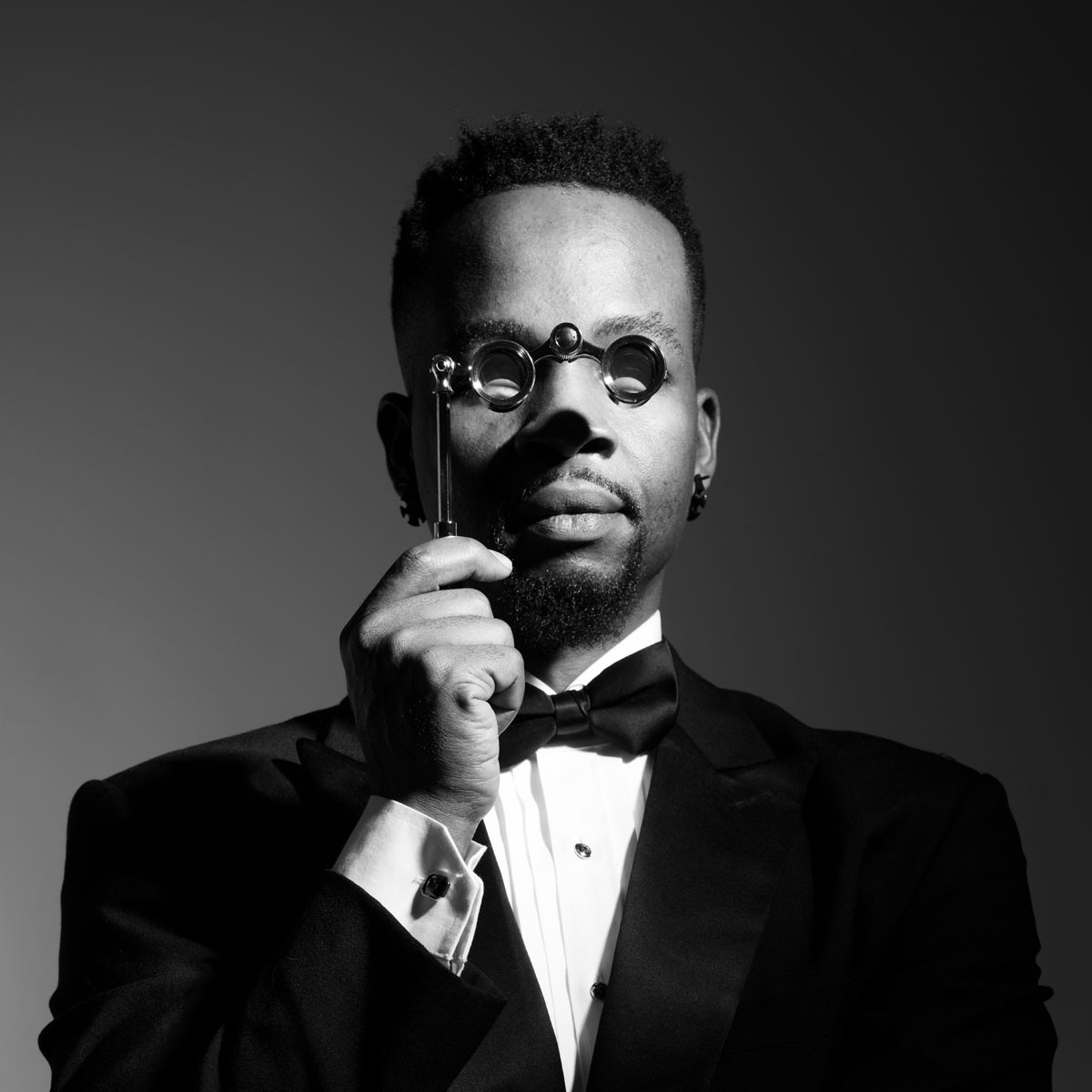
He grew up on Dr. Dre and became an opera baritone. Today Babatunde HipHopera refuses to choose between either world. At the HipHop Ball Berlin he takes centre stage for the Midnight Performance with an art form that feels tailor-made for a night built around breaking cultural boundaries.
Some artists cross genres. Babatunde HipHopera seems to have been shaped by them. His story begins in Nigeria. Long before opera entered his life there was HipHop. His uncle gave him a copy of Dr. Dre’s The Chronic and opened the door to a musical world that would stay with him forever.
Babatunde became fascinated by West Coast HipHop. Dr. Dre led to Snoop Dogg. Warren G and Tupac followed. He was drawn to the storytelling and the confidence. He loved the production and the wordplay. HipHop became more than music. It became his first musical language. Then life took him somewhere unexpected.
As a teenager Babatunde moved to the United States. There he encountered classical music for the first time. A school choir introduced him to harmony. Later a voice teacher recognised his potential and encouraged him to study opera. What began as unfamiliar territory soon became another obsession. Babatunde trained as a classical baritone. He studied opera at university and eventually began performing professionally. Yet HipHop never disappeared.
Two Worlds. One Voice.
For years Babatunde lived between two musical identities. There was the disciplined world of classical voice and opera. Then there was the culture that had shaped his understanding of music long before he ever sang an aria.
He kept searching for artists who brought those worlds together. He found experiments and crossovers but rarely something that represented what he heard in his own head. So he began creating it himself.
At first he kept those musical experiments largely private. The classical world can be protective of its traditions and Babatunde knew that not every colleague or mentor would understand what he was doing. Then came December 2018.
Sitting in his car he recorded himself combining Rossini’s famous Largo al factotum with Kendrick Lamar’s HUMBLE. The video travelled across the internet and went viral internationally. Suddenly the musical identity he had explored almost secretly had an audience. More importantly it had a name and a purpose. The response confirmed something Babatunde had felt for years. He did not have to choose. Opera and HipHop could exist in the same body. And both could remain real.
Authenticity over Crossover
That distinction matters to him. Babatunde is not interested in adding a classical vocal to a HipHop track simply for effect. Nor does he see HipHop as decoration for an operatic performance. His work comes from fluency in both languages. That has not always made the journey easy. There was no blueprint for the career he was building. There was no obvious mentor who understood both cultures from the inside. It would have been easy to move completely towards one world and leave the other behind. Instead he learned to trust his own instincts. “My art is very personal because I embody it fully.”
That philosophy has become his anchor. The goal is not to fit comfortably into an existing category. It is to create from the full range of who he is. It is also what he loves most about HipHop. For Babatunde the culture has always been bigger than rap music. It creates space for dancers and DJs. For graffiti artists and fashion. For thinkers and storytellers. For people and communities whose voices were too often ignored elsewhere.
A culture born from underserved communities in New York became one of the most influential cultural forces on earth. Its ability to make room for individual identity still fascinates him.
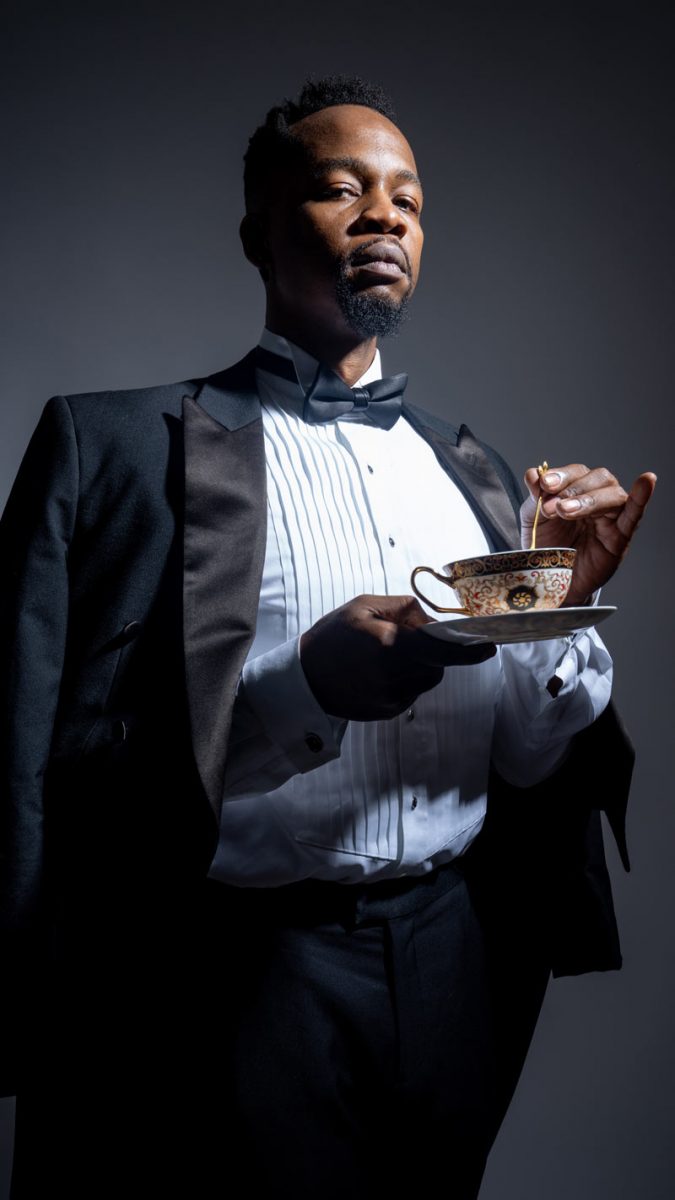
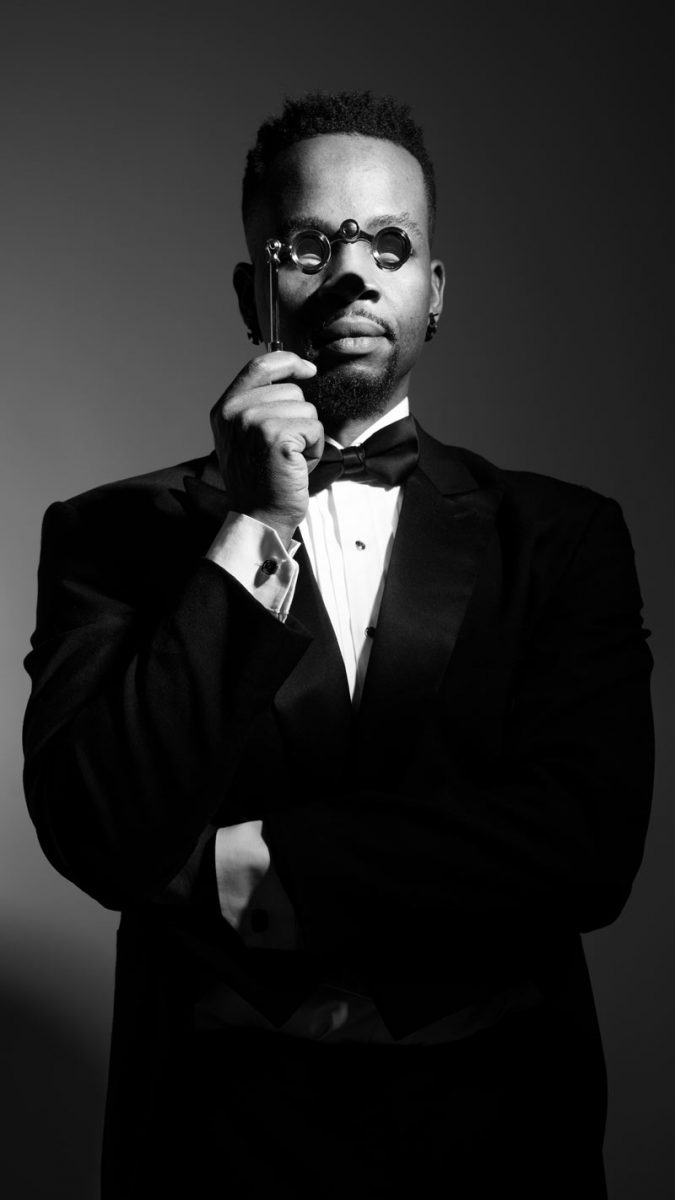
A Natural Home at the HipHop Ball
It is difficult to imagine an artist more naturally connected to the idea behind the HipHop Ball. The Ball itself exists between worlds that were once considered opposites. Ballroom tradition meets the music of the streets. Classical ceremony encounters contemporary culture. Evening gowns meet sneakers. Heritage meets a generation determined to create traditions of its own.
For Babatunde that space feels familiar.
“What I’m looking forward to most is the atmosphere and being surrounded by other like-minded people who appreciate both the ballroom and the music of the streets.”
He is particularly drawn to environments where people do not have to reduce themselves to one identity. “There’s something special about spaces where elegance and creativity and culture and freedom all exist together.” That idea sits at the heart of his own story. A boy discovering Dr. Dre in Nigeria. A teenager discovering harmony in America. An opera singer secretly experimenting with HipHop. An artist eventually discovering that the very things that seemed difficult to reconcile were the things that made his voice unique.
Midnight Belongs to Babatunde
At the HipHop Ball Berlin that voice will take over one of the most symbolic moments of the night. The Midnight Performance. Guests should not expect opera with a beat added underneath it. They should not expect a novelty crossover either. They should expect HipHop delivered through the physical power of a professionally trained operatic voice. “They can expect a HipHop show with real operatic vocals. They can expect energy and emotion and a performance that feels both powerful and unexpected.”
Babatunde wants the audience to experience both impulses at once. The instinct to move and the instinct to stop and listen. “I want people’s bodies to feel like dancing while also hearing these huge classical vocals at the same time.” Perhaps the most interesting part is what he hopes happens afterwards. He does not necessarily want audiences to leave knowing exactly how to categorise what they have seen. Quite the opposite. He wants them to feel it first. Because some of the most exciting cultural ideas emerge precisely where familiar labels stop working.
Never Choose Just One
Asked what he would tell his ten-year-old self today Babatunde returns to the idea that has quietly followed him throughout his life. Do not choose simply because the world expects you to. “I would tell my ten-year-old self to keep enjoying music and never let anyone make you feel like you have to choose between the things you love.” It is advice that reaches far beyond music. “Follow where the music is taking you. Stay true to yourself and trust your instincts. The things that make you different will end up defining your purpose.” At the HipHop Ball Berlin those differences will not need to be explained. They will be celebrated. And at midnight they will have the stage.
Be There When Worlds Collide
On November 14 the Rotes Rathaus in Berlin becomes the stage for a night where tradition meets transformation and HipHop enters one of the city’s most iconic halls on its own terms. Babatunde HipHopera’s Midnight Performance will be one of those moments that cannot quite be recreated through a screen. It is made to be heard live. To be felt in the room. To be experienced as part of a night where opera and HipHop do not compete for space but create something entirely new together.
Secure your ticket now and join us at the HipHop Ball Berlin on November 14 at the Rotes Rathaus.
Come dressed for the Ball. Come ready for the unexpected. And make sure you are there when midnight strikes.