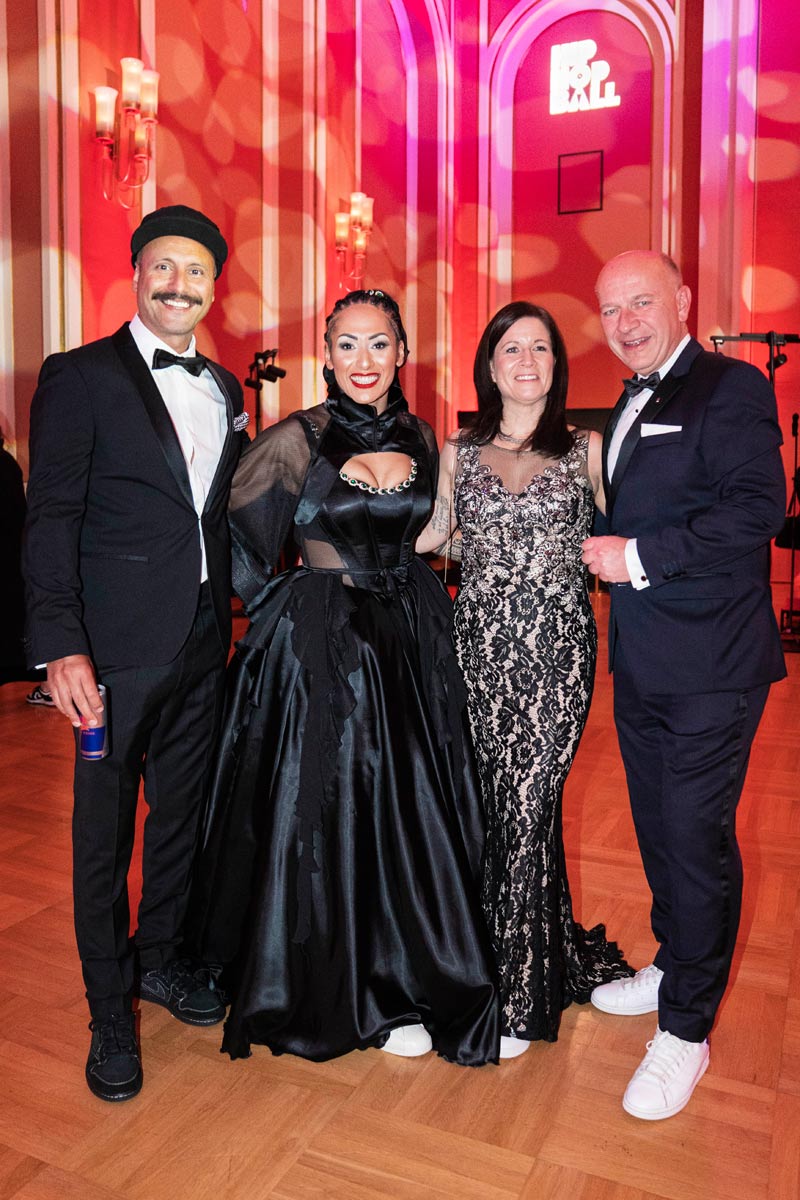
Berlin, December 5, 2025 — The HipHop Ball 2025 was not a gala. It was a rare convergence of culture, politics, business, and bold communication. A project that arrived in Berlin for the first time after its success in Vienna — entering a city famed for its sharp criticism, a market saturated with daily events, and an economic climate marked by caution. And precisely in this moment, something remarkable happened: it wasn’t one brand that stepped up — it was a collective.
From Uber, Red Bull, Mampe Berlin, the DDR Museum, Allianz Kundler, Madame Tussauds, Mandaro, the German Basketball Federation with the Women’s Basketball World Cup Germany, Crusz, all the way to Hygh — each of these players made a conscious decision to demonstrate that urban culture does not need spectators. It needs co-creators.
These brands didn’t wait. They didn’t hedge. They rejected the usual corporate instinct to avoid being first movers and, together, sent a clear message: Urban Culture matters. Cultural visibility cannot be outsourced — it requires positioning. While many companies in 2025 cut budgets and withdrew from cultural spaces, these partners moved forward: with full visibility, clarity, and conviction. In 2025, more than ever, the rule is simple: hesitation costs relevance.
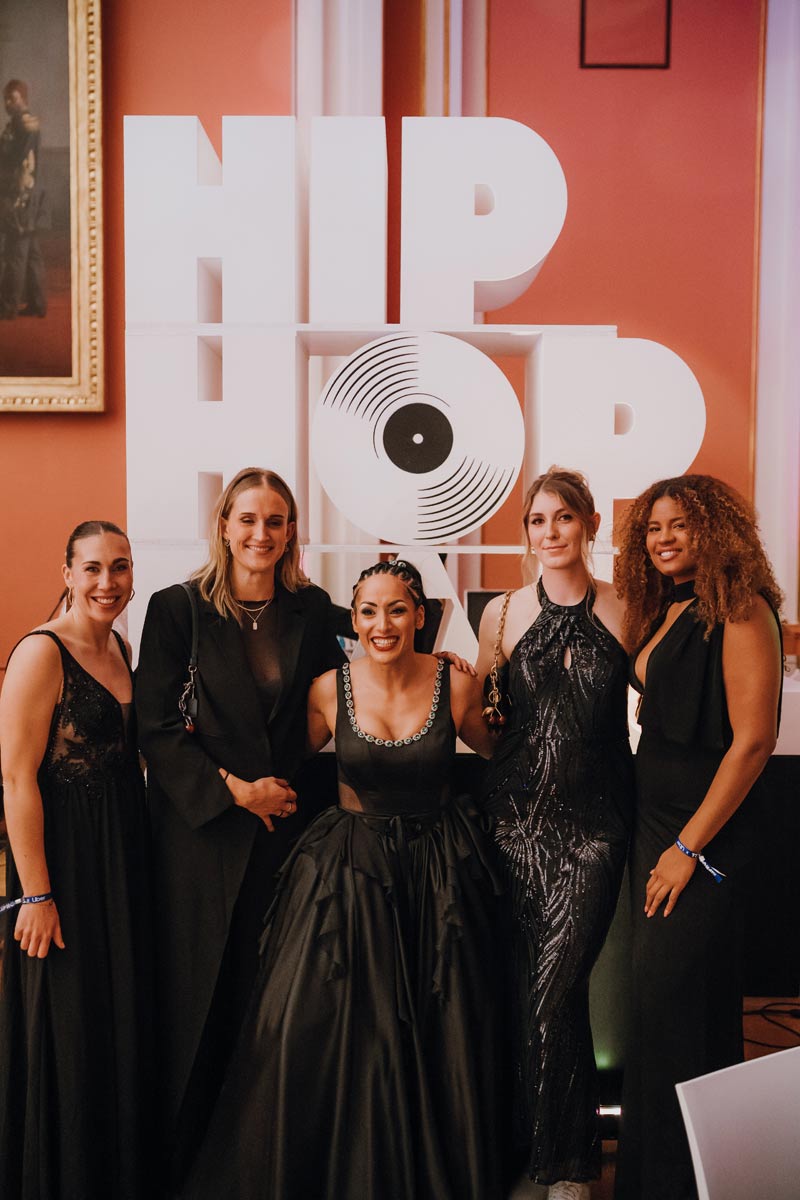
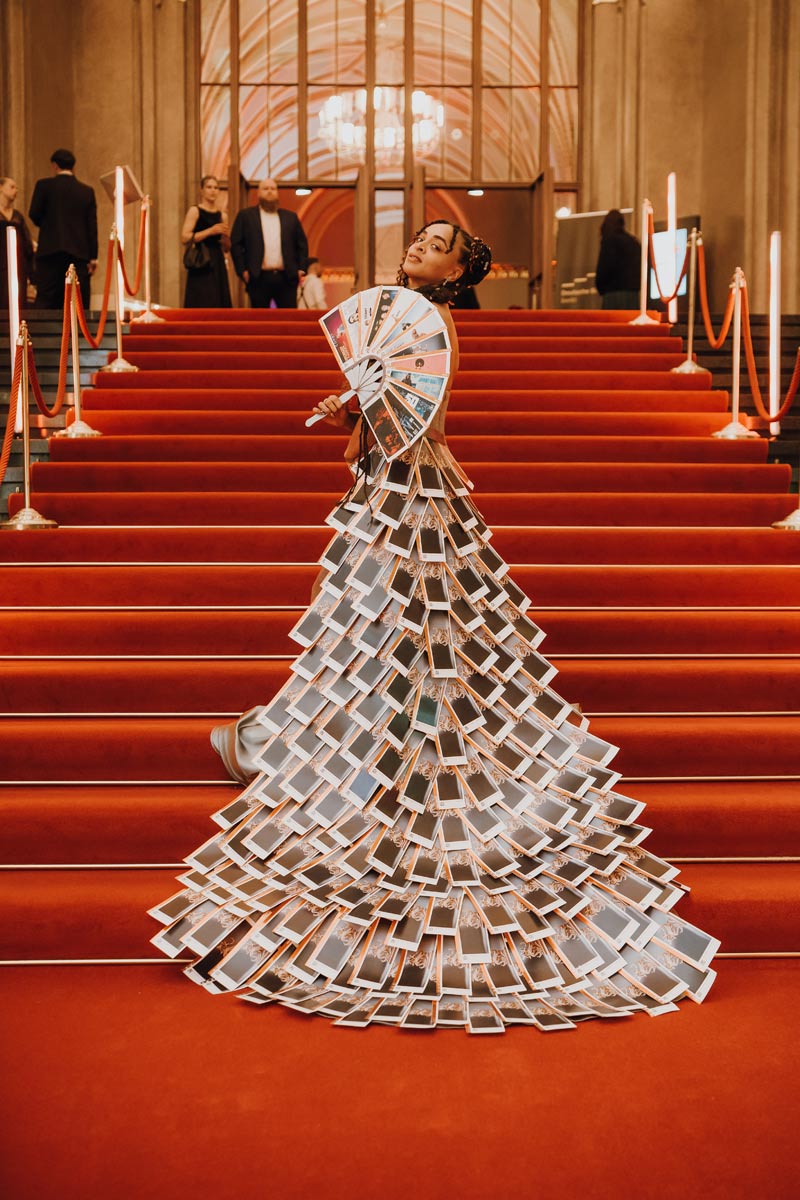
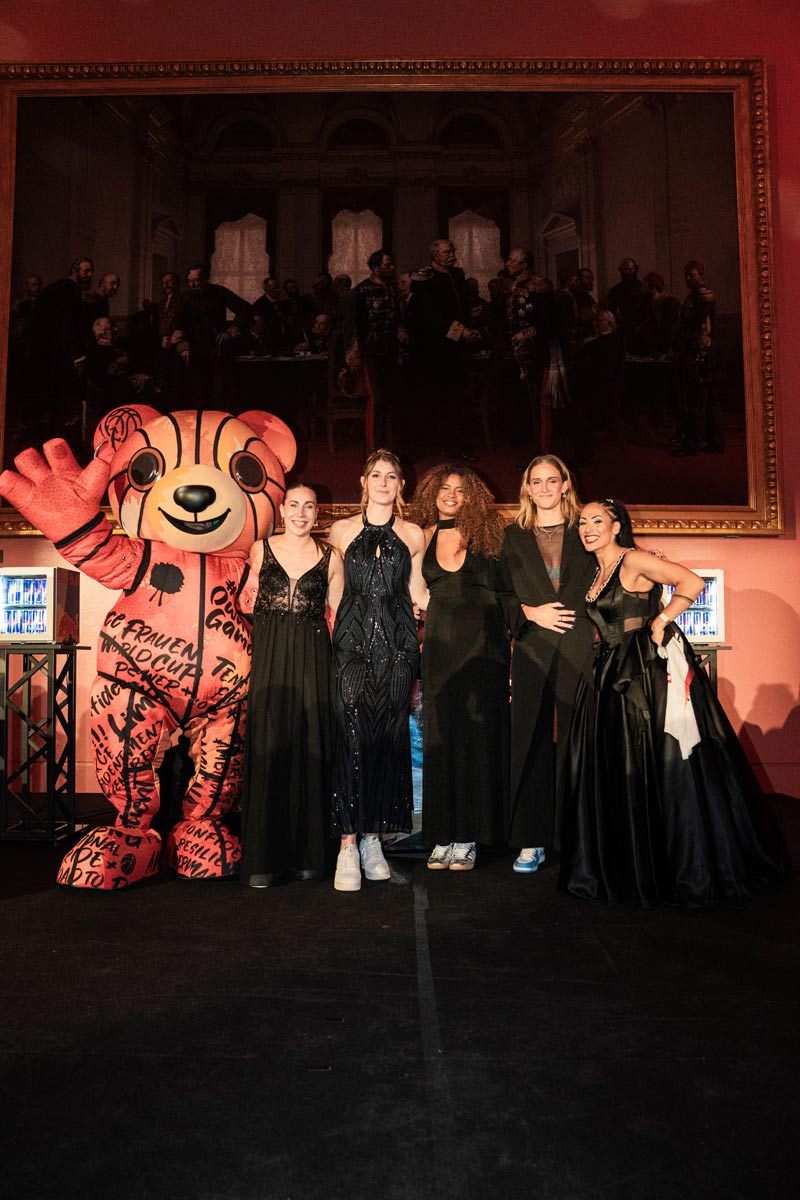
What makes this so striking is that younger audiences — Millennials and Gen Z — expect exactly this kind of brand activism. A 2025 Consumer Insights Study from Statista makes it explicit: brand image and public positioning are now decisive purchase drivers.
- 48% of Germans would boycott a brand if its values do not align with their own.
- 37% explicitly check a company’s public values before buying.
- The economic rationale is equally strong. According to the Asendia 2023 study,
- 58% of consumers are willing to spend more on brands they perceive as authentic, with Millennials significantly higher.
- And 63% would switch to a competitor if they sense a lack of authenticity.
In the context of urban culture, these expectations intensify. Research conducted by The Ambition and YouGov (2022) shows that 65% of Gen Z in Germany identify with HipHop, and more than three-quarters say HipHop influences their brand preferences. Entering this cultural space requires credibility, cultural literacy, and relevance. The point is not that challenges exist — it is whether companies choose to meet them. And this coalition did more than embrace them: they drove them forward.
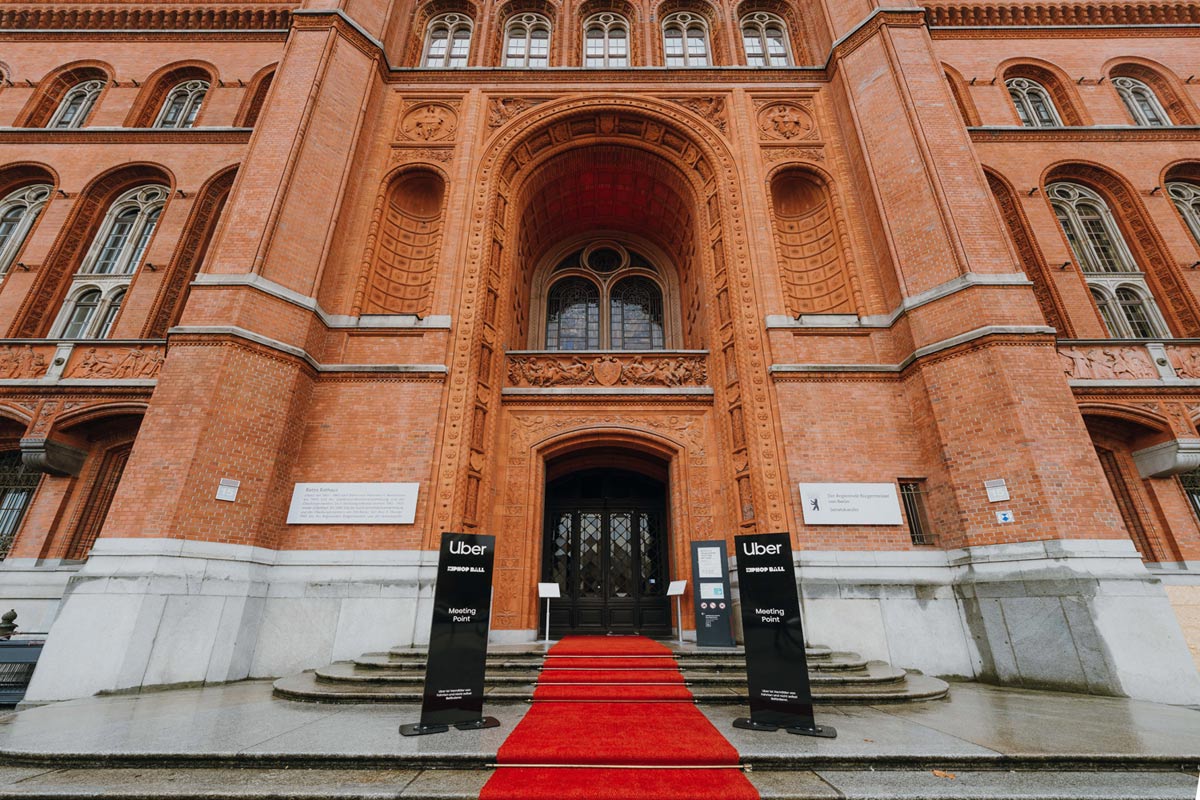
Equally notable is the political framework: the HipHop Ball was held under the patronage of Berlin’s Governing Mayor Kai Wegner — a clear indication of the cultural weight this format carried from its very first edition.
72 Million net Reach — And a Cultural-Economy Case With Measurable Impact
The HipHop Ball generated:
- 72 million net contacts
- Reels and social video content reaching millions
- Dozens of press, TV, and radio features
- DOOH presence across Berlin, Hamburg, and Munich
From Skepticism to Trust
Many artists were initially skeptical. Major corporations are not naturally their allies. But the partner collective did what many do not: listen, understand, participate. Berlin demonstrated that a movement of this size does not emerge from a single company — it emerges from an ecosystem.
Touchpoints That Don’t Disrupt Culture — They Enable It
Every activation had a purpose, both before and after the Ball. None of them felt like traditional advertising. The brands present were not in the room — they were part of the room.
The Real Impact: Shifting Old Mindsets
By the end of the night, one thing was clear: these partnerships did more than generate media value. They represented authentic participation in a cultural process that is often observed from the outside, but rarely supported from within. Perception didn’t shift through messaging — it shifted through shared experience.
And the effect extends far beyond a single evening. In close collaboration with the HipHop Ball team, a deliberate choice was made to understand cultural economy as a shared responsibility. Real sustainability emerges when culture and business do not operate side by side, but interdependently, with long-term perspective.
This is especially important in HipHop and urban culture, where it is essential not to break cultural codes but to understand, respect, and reinforce them. That requires partnerships where every decision, every detail, every communication is built from the inside out. The HipHop Ball stands not for declared values, but for values enacted — for authenticity expressed through action.
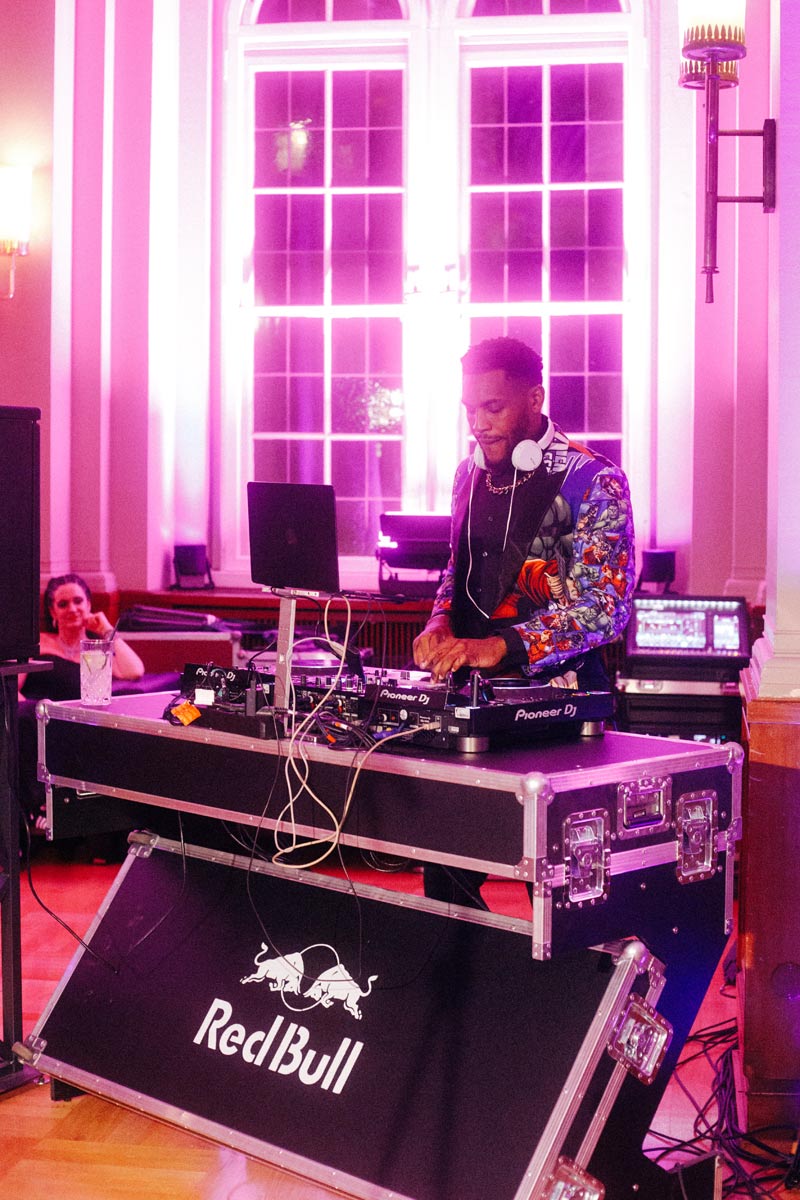
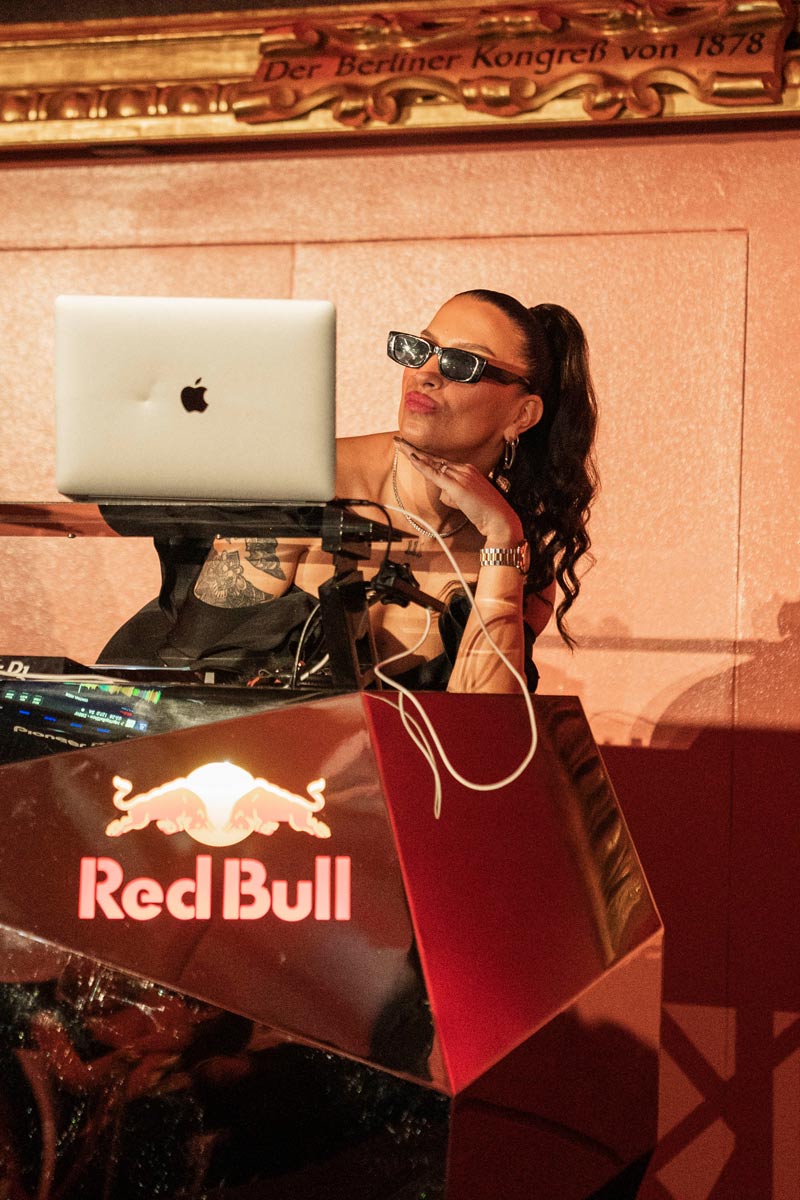
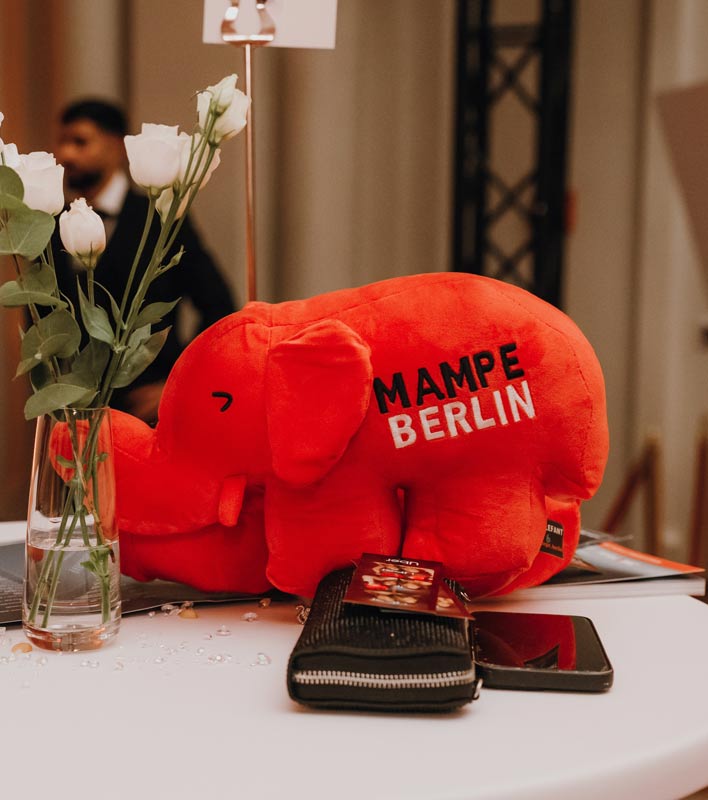
A Model That Creates Value — and Can Be Replicated
This collaboration enabled professionalization processes to be shared — with artists, collectives, and creatives. Knowledge that often remains locked inside institutions became accessible: financing, project structures, infrastructure, partnership management.
What emerged is a model that not only creates impact but is replicable for self-organized community projects.
This was more than a cultural engagement. It was collective work on a system that does not treat culture as a campaign, but as a shared space of contribution for those shaping society.
HipHop is poetry, movement, education, and music. It is a space where performance, resilience, and expression regain an urgency young people deeply need. In the center of Berlin, a lived example emerged of how strategic collaboration can turn a cultural vision into a tangible experience.
That is the difference.
And that is the new standard.
A Blueprint for the Future of Marketing
The HipHop Ball is a blueprint for what modern marketing must be:
Purpose + Performance + Urban Culture = Relevance.
These contributors were not sponsors.
They were partners, co-creators — and the HipHop Ball was the catalyst that connected them all.
A case that will set benchmarks not only in Berlin but across the entire industry.
Further information on the next edition in Vienna: www.hiphopball-official.com